

Turbocharger
Showing 1–24 of 93 results
-
Turbocharger
Turbocharger 114400-4450 | Isuzu 6HK1 6HK1XY JCB Excavator JS330 JS330LC Engine
The 114400-4450 Turbocharger is built for Isuzu 6HK1 / 6HK1XY engines powering JCB JS330 and JS330LC excavators. This heavy-duty turbo delivers exceptional boost efficiency, long life, and reliable power output for demanding applications.
SKU: IEK-2094 -
Turbocharger
Turbocharger 898123220 | Isuzu 6UZ1 Sany Excavator SY415H Engine
The 898123220 Turbocharger is designed for Isuzu 6UZ1 diesel engines used in Sany SY415H excavators. Built to OEM standards for superior boost response, fuel economy, and durability in demanding work environments.
SKU: IEK-2060 -
Turbocharger
Turbocharger CI12, 02/800190 | Isuzu 6BD1T JCB Excavator JS200 Engine
The CI12 Turbocharger (02/800190) fits Isuzu 6BD1T engines used in JCB JS200 excavators. This OEM-quality turbocharger ensures excellent boost response, improved power output, and enhanced fuel efficiency for heavy-duty applications.
SKU: IEK-2056 -
-
Turbocharger
Turbocharger GT22, 736210-0007 | JMC Isuzu JX493 Engine
The GT22 Turbocharger (736210-0007) is a direct-fit replacement for JMC Isuzu JX493 engines, engineered for excellent boost response, long-lasting reliability, and improved fuel efficiency for light commercial vehicles and trucks.
SKU: IEK-2083 -
Turbocharger
Turbocharger GT22, 736210-0009 | JMC Truck Pickup Isuzu Gonow JX493 Truck JX493ZQ Engine
 Turbocharger
Turbocharger GT22, 736210-0009 | JMC Truck Pickup Isuzu Gonow JX493 Truck JX493ZQ Engine
Premium GT22 Turbocharger (736210-0009) compatible with JMC, Isuzu, and Gonow trucks using the JX493 / JX493ZQ diesel engines. Built for power, reliability, and long-lasting performance.
SKU: IEK-2040 -
Turbocharger
Turbocharger GT2560LS, 700716-5014S 8-97310-502-1 | Isuzu 4HK1 Engine
The GT2560LS Turbocharger (700716-5014S / 8-97310-502-1) is a premium OEM replacement turbo designed for Isuzu 4HK1 engines, offering superior boost performance, efficiency, and durability for commercial and industrial applications.
SKU: IEK-2085 -
Turbocharger
Turbocharger GT2560LS, 700716-5020S | Isuzu 4HK1-TC 5.2L Truck NPR NKR NQR Engine
Premium GT2560LS Turbocharger (700716-5020S) designed for Isuzu 4HK1-TC 5.2L engines. Delivers exceptional boost response, efficiency, and long-lasting reliability for Isuzu NPR, NKR, and NQR trucks.
SKU: IEK-2042 -
-
Turbocharger
Turbocharger GT4082BKV, 8-97604975-0 8976049750 | Isuzu 6HK1 6HK1TC Engine
The GT4082BKV Turbocharger (8-97604975-0 / 8976049750) is a premium replacement for Isuzu 6HK1 / 6HK1TC engines, offering high-boost efficiency, consistent power delivery, and OEM-level durability for trucks and industrial machinery.
SKU: IEK-2097 -
Turbocharger
Turbocharger HT12-17A HT12-20, 8972389791 047-278 | Isuzu 4JG1 4JG1T 3.lL / Takeuchi Track Loader TL140 CTL70 Engine
 Turbocharger
Turbocharger HT12-17A HT12-20, 8972389791 047-278 | Isuzu 4JG1 4JG1T 3.lL / Takeuchi Track Loader TL140 CTL70 Engine
Premium HT12-17A / HT12-20 Turbocharger (8972389791 / 047-278) designed for Isuzu 4JG1 / 4JG1T 3.1L engines, compatible with Takeuchi TL140 and CTL70 loaders. Built to OEM standards for reliable performance and longevity.
SKU: IEK-2046 -
-
Turbocharger
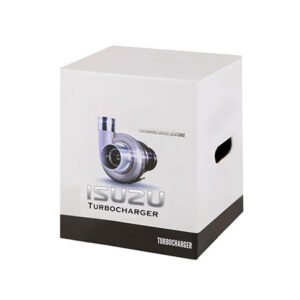
Turbocharger RHB32, 8970786400 | Isuzu Gemini 1.5L JT 88- | Opel Corsa 93-00 X15DT 4EC1 4EC1T Engine
 Turbocharger
Turbocharger RHB32, 8970786400 | Isuzu Gemini 1.5L JT 88- | Opel Corsa 93-00 X15DT 4EC1 4EC1T Engine
Reliable RHB32 Turbocharger (Part No. 8970786400) for Isuzu Gemini 1.5L JT and Opel Corsa X15DT / 4EC1 / 4EC1T engines. Engineered for OEM fit, smooth boost response, and lasting performance.
SKU: IEK-2043 -
-
-
Turbocharger
Turbocharger RHB6, 8-94418-3201 | Hitachi EX120-1 EX150 With ISUZU 4BD1-T Engine
The RHB6 Turbocharger (8-94418-3201) fits Hitachi EX120-1 and EX150 excavators with ISUZU 4BD1-T engines. This turbo restores lost engine power, enhances fuel efficiency, and ensures smooth, dependable performance under heavy-duty work conditions.
SKU: IEK-2055 -
Turbocharger
Turbocharger RHB6A, 02/800180 | Isuzu 4BD1 JCB / Excavator JS130 JS110 JS150LC JS150W JS130W Engine
 Turbocharger
Turbocharger RHB6A, 02/800180 | Isuzu 4BD1 JCB / Excavator JS130 JS110 JS150LC JS150W JS130W Engine
The RHB6A Turbocharger (02/800180) is built for Isuzu 4BD1 engines powering JCB excavators such as JS130, JS110, JS150LC, JS150W, and JS130W. Engineered for OEM fitment and performance, it restores power, efficiency, and reliability in tough construction environments.
SKU: IEK-2058 -
Turbocharger
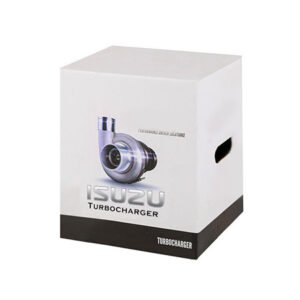
Turbocharger RHB6A, 894418-3200 | Isuzu 4BD1 4BD1-T 6SD1T / Hitachi Excavator EX120-1 EX150 Engine
 Turbocharger
Turbocharger RHB6A, 894418-3200 | Isuzu 4BD1 4BD1-T 6SD1T / Hitachi Excavator EX120-1 EX150 Engine
The RHB6A Turbocharger (894418-3200) is built for Isuzu 4BD1, 4BD1-T, and 6SD1T diesel engines, offering reliable boost, high performance, and long service life. Ideal for Hitachi EX120-1 and EX150 excavators.
SKU: IEK-2059 -
Turbocharger
Turbocharger RHC62C, 114400-2720 | Isuzu 6BD1 6BD1T / Hitachi Excavator EX200-2 EX200-3 Engine
 Turbocharger
Turbocharger RHC62C, 114400-2720 | Isuzu 6BD1 6BD1T / Hitachi Excavator EX200-2 EX200-3 Engine
The RHC62C Turbocharger (114400-2720) is a direct-fit replacement for Isuzu 6BD1 and 6BD1T engines in Hitachi EX200-2 and EX200-3 excavators. Engineered for high efficiency, power restoration, and long service life under heavy work conditions.
SKU: IEK-2065 -
Turbocharger
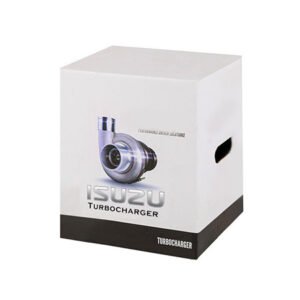
Turbocharger RHC7, 114400-2100 | Isuzu 6BD1T / Hitachi EX200 EX200-1 LX100 MA125-2 RX2000 Engine
 Turbocharger
Turbocharger RHC7, 114400-2100 | Isuzu 6BD1T / Hitachi EX200 EX200-1 LX100 MA125-2 RX2000 Engine
The RHC7 Turbocharger (114400-2100) is an OEM-quality replacement for Isuzu 6BD1T diesel engines, compatible with Hitachi EX200, EX200-1, LX100, MA125-2, and RX2000 excavators. Engineered for strong boost response and extended reliability.
SKU: IEK-2066 -
Turbocharger
Turbocharger RHC7, 114400-2961 | Isuzu 6BG1T Sumitomo Excavator SH2200 Engine
The RHC7 Turbocharger (114400-2961) is a direct OEM replacement for Isuzu 6BG1T engines powering Sumitomo SH2200 excavators. Engineered for high boost efficiency, reliability, and long service life in demanding work environments.
SKU: IEK-2072 -
Turbocharger
Turbocharger RHC7, 114400-3140 | Isuzu 6SD1 Hitachi Excavator EX300-2 EX300-3 Engine
The RHC7 Turbocharger (114400-3140) is a high-performance turbo designed for Isuzu 6SD1 engines, offering excellent power delivery and reliability for Hitachi EX300-2 and EX300-3 excavators. Ideal for demanding industrial and construction operations.
SKU: IEK-2093 -

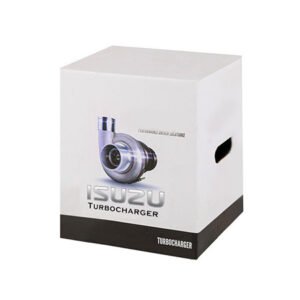

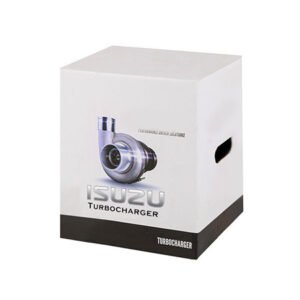
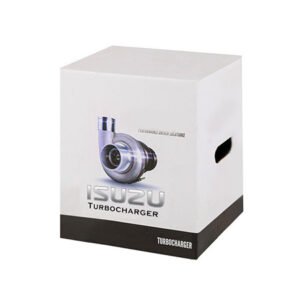
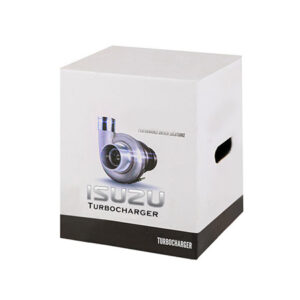
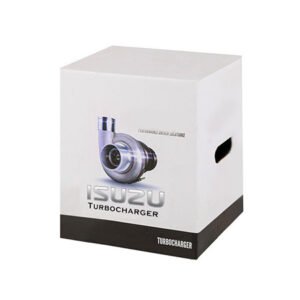
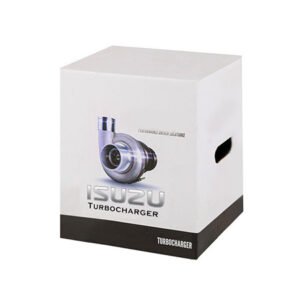
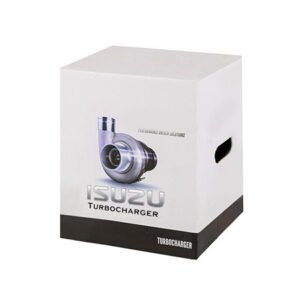
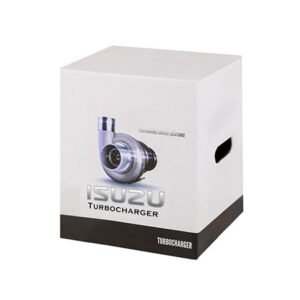


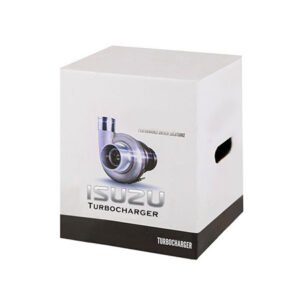

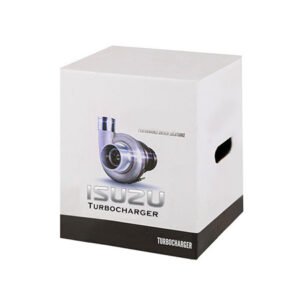
Isuzu Turbocharger Replacements & Performance Turbo Parts
The Isuzu turbocharger is the heart of your diesel’s torque and efficiency. When bearings wear, wheels chip, or housings crack, boost falls off and EGTs rise—hurting power, fuel economy, and uptime. A quality Isuzu turbocharger replacement restores fast spool, stable boost, and clean combustion across the workday. We stock complete Isuzu turbocharger assemblies, balanced CHRA cartridges, wastegate/actuator kits, oil feed/return lines, and installation gaskets engineered to match OEM specifications for durability and precise fit.
Why Choose an OEM-Grade Isuzu Turbocharger?
- Exact Fit & Fast Spool: A matched Isuzu turbocharger preserves turbine/compressor geometry for responsive boost and low-RPM torque.
- Balanced for Longevity: Each core-balanced Isuzu turbocharger or CHRA reduces vibration, bearing heat, and shaft wear.
- Durable Materials: Heat-resistant housings, journal/ball bearing systems, and precision seals extend Isuzu turbocharger service life.
- Lower Operating Cost: A healthy Isuzu turbocharger improves fuel economy, cuts smoke, and protects DPF/SCR components.
Common Signs Your Isuzu Turbocharger Needs Service
- Low Boost / Sluggish Power: Sticky vanes, cracked housings, or worn bearings reduce Isuzu turbocharger output.
- Whine, Siren, or Rattle: Imbalanced wheels or shaft play indicate imminent Isuzu turbocharger failure.
- Oil in Charge Pipes: Seal failure in the Isuzu turbocharger allows oil carryover and intercooler fouling.
- Black/Blue Smoke: Inefficient boost or oil leakage through the Isuzu turbocharger causes visible exhaust smoke.
- Overheating / High EGTs: Ineffective Isuzu turbocharger flow increases exhaust temperatures under load.
Fitment & Selection Guide
Match your Isuzu turbocharger precisely to avoid fit and tuning issues:
- Engine Code & Variant: Confirm 4JJ1, 4HK1, 6HK1, 4HG1, 4HL1, 6RB1, etc., plus EGR/DPF/SCR or off-road industrial configurations.
- OE Part Numbers: Cross-check the turbo ID plate (e.g., IHI, Hitachi, Garrett, BorgWarner) to select the correct Isuzu turbocharger unit or CHRA.
- Actuation Type: Wastegated, VGT, or pneumatic/electric actuator style must match your Isuzu turbocharger control system.
- Oil & Coolant Lines: Replace feed/return lines and gaskets to protect your new Isuzu turbocharger.
- Use Case: Heavy haul, stop-start urban, or stationary duty may favor specific Isuzu turbocharger trims for response vs. peak flow.
Installation Best Practices
- Root-Cause First: Find why the last Isuzu turbocharger failed (oil starvation, debris, overspeed, EGR soot) to prevent repeats.
- System Cleanliness: Flush intercooler/lines; any debris will destroy a new Isuzu turbocharger instantly.
- Oil Supply: Replace feed/return lines, prime the CHRA with fresh oil, and verify pressure before first start.
- Air & Exhaust Integrity: New gaskets and torque-to-spec fasteners prevent leaks that rob your Isuzu turbocharger of performance.
- Calibrations: Reset learned values, check boost control, and ensure no intake/exhaust restrictions.
Performance & Uptime Benefits
- Torque on Demand: A tight, responsive Isuzu turbocharger delivers low-RPM pull for loaded launches and grades.
- Cleaner Combustion: Correct boost trims smoke, lowers particulates, and helps aftertreatment longevity.
- Fuel Savings: Efficient Isuzu turbocharger operation reduces throttle input to maintain speed and load.
- Predictable Maintenance: New bearings/seals extend service intervals and cut unscheduled downtime.
Recommended Complementary Parts
- Complete gasket set for the Isuzu turbocharger mount, downpipe, and oil/coolant connections.
- Fresh air filter, cleaned MAF/MAP, and pressure-tested intercooler to safeguard the Isuzu turbocharger.
- High-temperature studs/nuts and heat shields for reliable Isuzu turbocharger retention.
- Oil spec and change interval aligned to turbo duty to protect the Isuzu turbocharger bearings.
Ordering Steps
- Identify: Confirm engine code, emissions package, and OE turbo P/N.
- Select: Choose a complete Isuzu turbocharger or a balanced CHRA cartridge with the correct actuator.
- Verify: Add new oil lines, gaskets, and hardware; ensure intercooler is clean.
- Install: Prime oil, torque to spec, check leaks, and validate boost with a test drive or dyno pull.